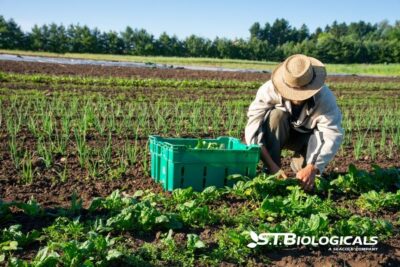
With drought expected across much of US farmland in early 2026, being proactive can help you protect your crop performance and farm profitability. By testing soils early, optimizing zinc nutrition, and working with experienced crop consultants, you can strengthen plant resilience and reduce drought-related stress before the growing season begins.
With drought in the forecast for much of the country’s agricultural land for the first half of 2026, it’s time to be proactive about drought-proofing your acres. Let’s take a look at what you can do to protect you plants, soil, and profits this year.
Step 1: Sample Your Soil
Take a close look at the micronutrients and microorganisms in your soil. You can get soil samples anytime the ground isn’t frozen. Labs aren’t as busy this time of year. If the test shows you need inputs, now’s the time to buy them. Then you’ll have them to add as soon as you can get into the field in spring.
One micronutrient you’re looking for is zinc. You don’t need a great deal of zinc; in fact, too much is toxic. Adequate zinc in plants during drought helps maintain membrane permeability, increases the activity of antioxidants, and makes photosynthesis more efficient. All are necessary for good crop growth during adverse weather conditions.
Zinc is a fundamental nutrient for plants and a cofactor of many enzymes. The first casualty of drought is the plant cell membrane. Water pressure maintains cell wall structure. Drought decreases the amount of water, plants indicate water loss through wilting or curling.
Plants with a greater leaf surface, higher chlorophyll content, and stomatal activity can handle more drought stress. Zinc aids enzymes in achieving these characteristics while also decreasing electrolyte leakage. One study on wheat showed that zinc countered the adverse impacts of drought and increased wheat yield.
Step 2: Increase Plant Resilience
Zinc increases the water potential in leaves during drought conditions. Enzymes are activated by zinc applications. During the growing season, foliar sprays of zinc regulate stomatal conductance. Stomata on the undersides of leaves are the breathing mechanisms of plants. When they aren’t working properly, the plant temperature rises and increases the amount of carbon lost to respiration.
More carbon lost to the air means less for the plant to use or share with soil microorganisms.
In-furrow application of zinc is also effective as a drought resistance tool. Plants naturally take up zinc in their roots as ions and circulate zinc ions throughout the plant biomass. Soil microbial activity increases zinc ions in the soil and helps make zinc uptake by plants more effective.
Products that work with a plant’s natural physiological processes are the most efficient for the application of zinc and other micronutrients. ST Biologicals has developed our own small particle technology organic zinc for both foliar and in-furrow applications.
Step 3: Get Expert Help
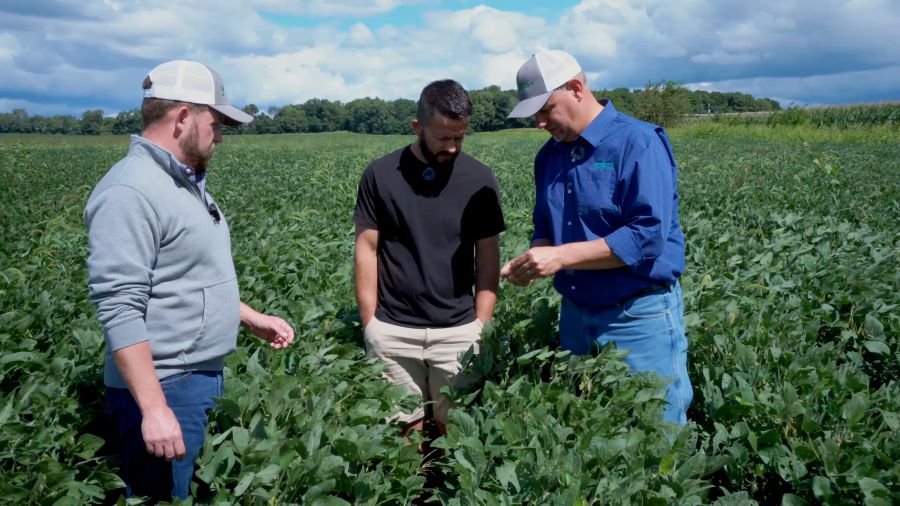
Zinc is just one of the many micronutrients necessary for drought-resistant crops and farm profits. Contact our team at ST Biologicals and one of our certified crop consultants will help you with winter soil testing and lab analysis to get a complete picture of the micronutrient levels in your soil.
The ST Biologicals team is here to help you succeed. When soil speaks, we listen.
Drought Proofing FAQs
Why is soil testing the first step in drought preparedness?
Soil testing reveals micronutrient levels and microbial activity, allowing farmers to address deficiencies, purchase inputs early, and be ready to act as soon as spring field conditions allow.
How does zinc help crops tolerate drought stress?
Zinc supports enzyme activity, protects plant cell membranes, improves photosynthesis efficiency, regulates stomatal function, and boosts antioxidant systems, all of which help plants maintain growth under dry conditions.
What is the best way to apply zinc for drought resistance?
Both foliar and in-furrow applications are effective. Foliar zinc helps regulate stomatal activity during the season, while in-furrow zinc supports early root uptake and improves overall plant resilience.
Why work with a crop consultant when managing micronutrients?
Micronutrients must be carefully balanced to avoid deficiency or toxicity. A certified crop consultant can interpret soil tests, recommend appropriate products, and tailor a nutrient strategy that supports drought resilience and long-term soil health.