Zinc is a critical micronutrient that drives enzyme activity, hormone production, and stress defense in crops, directly influencing yield, plant vigor, and resilience. Understanding what causes zinc deficiency helps ensure crops can access the zinc they need throughout the growing season.
Without zinc, your crops simply won’t make it. Zinc is a deciding factor in a plant’s ability to photosynthesize, produce chlorophyll, and maintain strong, upright stems. Even mild zinc deficiency can limit yield potential long before visual symptoms appear.
How Plants Use Zinc
Zinc plays a significant role in enzyme activity. Zinc impacts the activities of over 300 enzymes. It is the only element found across all six enzyme classes, making it essential to nearly every metabolic process in a plant. These enzymes control critical functions, such as converting sunlight into usable energy, building new cells, and efficiently moving sugars and nutrients throughout a plant.
Zinc also plays a key role in producing the hormones responsible for root elongation and shoot growth. When zinc is limited, these hormones drop, which can lead to shortened internodes, stunted plants, poor root development, and reduced nutrient and water uptake. This is why zinc deficiency often shows up as smaller leaves and uneven crop stands.
Additionally, zinc supports a plant’s natural defense systems that neutralize oxidative stress caused by drought, heat, and disease. Adequate zinc ensures the plant’s immune system functions properly, improving crop resilience under stressful conditions.
In short, zinc is not just another micronutrient. It’s a biological catalyst for growth, efficiency, and stress tolerance, making it foundational to both yield and crop health.
Causes of Zinc Deficiency
Because zinc is crucial to the health of your plants, it’s important to understand how crops can become deficient in zinc. Zinc deficiency is a worldwide problem that causes yield loss and decreased nutritional crop value.
Numerous factors contribute how much zinc is available to plants in the soil.
Soil Temperature
Cool spring soil slows microbial activity. It takes longer for microbes to break down zinc into a form plants can use.
Type of Soil
Zinc leaches out of sandy soil more rapidly. This means there’s less zinc available for microbes to break down and make available to plants.
Topsoil Loss
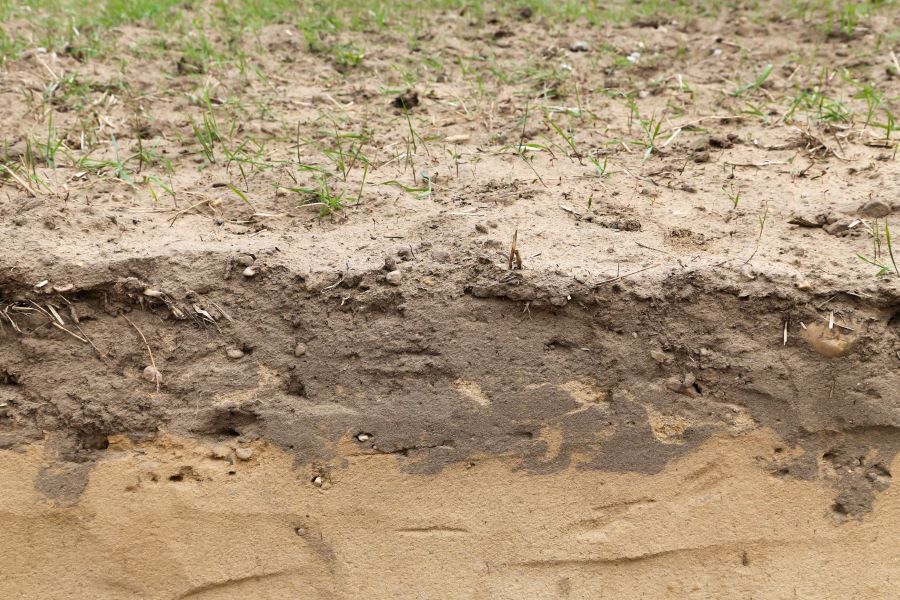
Eroded soils have lots of calcium carbonate on the soil surface. The calcium carbonate absorbs zinc out of the soil and keeps it on the soil’s surface, away from plant roots. This results in zinc being withheld from plants.
Low Mycorrhizal Fungi Population
A crop rotation that includes non-mycorrhizal monocrops, such as brassicas and betas, can reduce the number of microbes breaking zinc down into plant-usable forms.
Levels of Other Nutrients
An abundance of other nutrients in your soil may cause a zinc deficiency. Zinc has an antagonistic relationship with phosphorus. When you have high levels of phosphorus in your soil, zinc binds with the phosphorus to create compounds that do not dissolve easily in water. This makes zinc unavailable to your plants, even if total zinc levels appear adequate on a soil test. High amounts of calcium, iron, copper, and nitrogen can also negatively impact zinc levels.
How to Achieve Optimal Zinc Levels in Your Crops
Achieving optimal zinc levels in your crops depends on how much zinc in your soil is ready and available for your plants to use. It’s less about how much zinc is in your soil and more about nutrient balance, soil pH, and the biological activity of microbes and mycorrhizal fungi.
Increasing organic matter and microbial populations are key to stabilizing plant-available zinc levels. Plants primarily uptake zinc through their root systems, so optimizing root architecture increases all nutrient uptake, including zinc. Take care of your soil’s beneficial microbes, and they will take care of your plants’ roots and your crop yields.
Want to learn more about zinc’s role in healthy plants? The ST Biologicals mentors are here to help. Get in touch with us today for experienced, hands-on support. We’re here to help you succeed. When soil speaks, we listen.
Zinc Deficiency FAQs
Why is zinc so important for crop growth?
Zinc activates over 300 enzymes involved in photosynthesis, energy production, hormone synthesis, and stress protection, making it essential for healthy growth and strong yields.
What causes zinc deficiency in crops?
Zinc deficiency can result from cool soils, sandy textures, topsoil loss, low mycorrhizal fungi populations, or nutrient imbalances, especially excess phosphorus.
How does phosphorus affect zinc availability?
High phosphorus levels bind zinc into insoluble compounds and interfere with root uptake, making zinc unavailable to plants even when soil tests show adequate levels.
How can farmers improve zinc availability in their fields?
Farmers can increase plant-available zinc by building organic matter, supporting microbial and mycorrhizal activity, balancing nutrients, and optimizing root health through regenerative soil practices.