Zinc is essential for crop health, but both deficiency and excess can limit yields and disrupt soil biology. Proper soil and tissue testing, combined with biologically driven nutrient delivery like our ADS Technology, help ensure your crops receive zinc in the right form and the right amount.
As we have discussed before on our blog, too little zinc and your crops suffer. But, it’s also possible to get too much of a good thing.
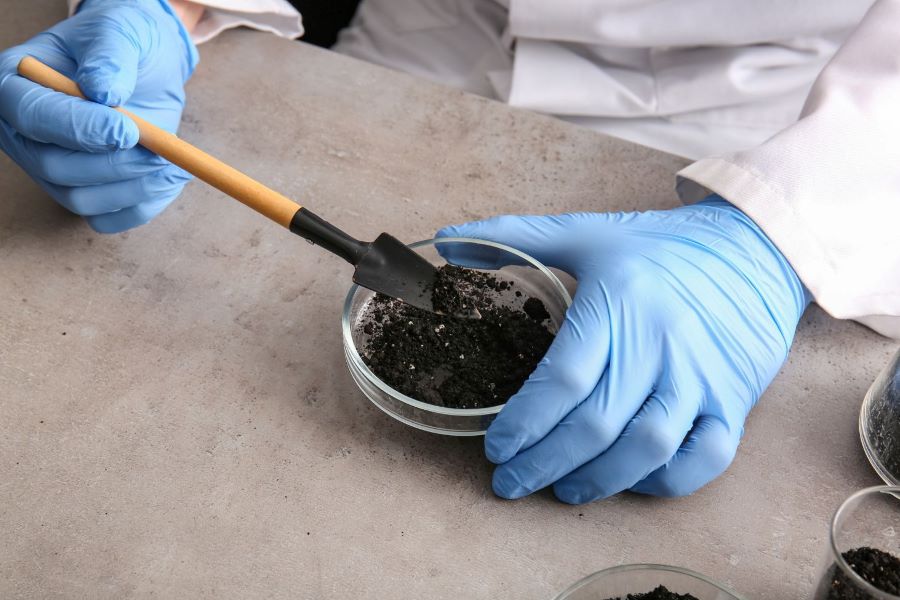
Soil tests are critical to determining if you need additional zinc in your fields. Most agricultural fields have zinc, but until it’s been chelated or ionized by microbes, it’s in a form plants can’t use.
Soil texture, pH, and chemical structure all affect the amount of plant-available zinc in the plant root zone. Crucially, zinc-solubilizing bacteria found in the plant root zone actively help plants move zinc from the soil to plant tissues. These bacteria chelate the soil zinc through mechanistic processes and stimulate plant growth.
Signs of Zinc-Deficient Soil
Fields where conventional farming practices of tillage and synthetic chemicals have been the norm for years or decades are most at-risk of zinc deficiency. These soils often suffer from loss of topsoil after years of tilling. Monocropping of certain crops, such as brassicas and betas, can reduce the number of beneficial mycorrhizal fungi in the soil. Overall, the microbial populations are small. Synthetic fertilizers rich in phosphorus may cause an imbalance of that nutrient in the soil. Zinc binds with phosphorus in a way that makes zinc unavailable to plants.
In zinc-deficient soils, you may need a boost to get zinc in a plant-available form back into your soil.
Signs of Zinc Toxicity in Soil
So, what happens when you have too much zinc in your soil? Too much zinc can suppress plant growth, causing crops to appear stunted and reducing leaf size.
Additionally, you may see leaf chlorosis or yellowing on younger leaves when zinc levels are too high. Too much zinc can make it difficult for plants to absorb other essential micronutrients, such as iron, manganese, and copper. Excess zinc may cause roots to appear short, thickened, or poorly branched, all of which may result in reduced function. Finally, very high zinc levels may reduce overall populations of beneficial microbes, especially in acidic soils.
A soil test and plant tissue test will confirm if your soil has toxic levels of zinc. If so, you can correct your zinc levels by raising soil pH, increasing organic matter, and adding iron and phosphorus to your soil. Working with an ST Biologicals mentor can help you determine the best path forward.
Optimize Zinc Delivery with ADS Technology
The ADS Technology we use in our regenerative ag products delivers zinc to the plant in a form the plant can use for optimum growth.
Adding ADS sources of micronutrients to your liquid fertilizer creates greater nutrient uptake efficiency. A plant can take up zinc in its molecular form and immediately use it for enzymatic processes. ST Biologicals delivers our clients the highest-quality micronutrient products.
Give your plants the right amount of zinc this year. Soil tests, tissue testing, and ADS Technology are tools that lead to higher farm profits. Contact us, and one of our team of certified crop consultants will help you determine the right amount of zinc for each of your fields.
Make 2026 the year you improve your soil while improving your bottom line. ST Biologicals is here to help. When soil speaks, we listen.
Zinc-Deficient Soil FAQs
Why is soil testing important for zinc management?
Soil testing shows whether zinc is deficient, adequate, or excessive, helping prevent yield loss caused by misapplication or nutrient imbalance.
What causes zinc deficiency in agricultural soils?
Long-term tillage, topsoil loss, low microbial activity, monocropping, and high phosphorus levels can all reduce plant-available zinc.
What are the signs of zinc toxicity in soil?
Zinc toxicity can cause stunted growth, leaf chlorosis on younger leaves, reduced root development, and interference with the uptake of iron, manganese, and copper.
How can farmers optimize zinc availability without risking toxicity?
Using soil and tissue tests, building soil biology, and applying chelated or ADS-delivered zinc allows plants to access zinc efficiently while avoiding excess accumulation.