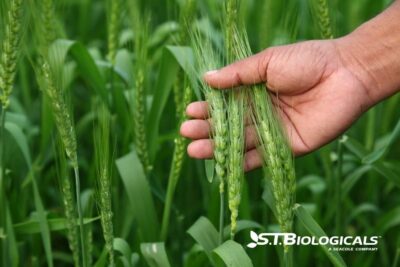
Copper works in synergy with other micronutrients in organic soil, influencing crop quality and affecting flavor, sugar content, protein development, and storage life. On organic farms, testing soil first and using targeted foliar applications ensures copper is available to plants without creating imbalances or toxicity.
The magic of micronutrients lies not just in their individual roles but in their synergies with other nutrients. Together, these nutrients contribute to the overall health of the plant. Providing the right amount of copper affects the flavor, storage ability, and sugar content of fruits and vegetables. It also affects the protein content of small grains.
How do you go about getting the right amount of copper in your organic fields and available to plants? Let’s take a closer look.
Test Your Organic Soil
Soil nutrients and biology are interconnected. A soil test will help you determine if you need to add copper to your soil or not. Don’t apply copper before you test, as excess copper can actually lead to deficiencies in copper and other micronutrients. Haney and PFLA tests will determine micronutrient and microbiology levels. The ST Biologicals mentors can steer you in the right direction and help you accurately test your soil.
Apply Organic Copper Soil Amendments
Foliar sprays are more effective than in-furrow amendments because of the strong bonding actions of iron, aluminum, and manganese in the soil. That bonding makes soil copper unavailable for plants. At the same time, this bonding makes the other micronutrients less available to plants, leading to even more nutrient deficiencies. As you know, everything’s connected: soil, plant, and human health.
Attest-O Copper Foliar Spray for Organic Farms

The ST Biologicals mentors recommend Attest-O as a copper foliar spray. While copper sulfate is often the preferred source of copper on organic farms due to cost, liquid fertilizers are more effective for uniform distribution and ease of application. Our team of certified crop consultants has researched many copper formulations, and Attest-O comes out on top for organic growers.
The formulation of Attest-O helps transport copper throughout the vascular tissue of the plant. It’s a liquid that works well for foliar applications. The chelated copper formula transports nutrients across the leaf cuticle layer. It deposits the right amount of copper at the right time in the right place.
Building healthy soil is a balancing act. For more information on how to balance micronutrients and macronutrients on your organic farm contact our team at ST Biologicals. We’re here to help you succeed. When soil speaks, we listen.
Copper in Organic Fields FAQs
Why is copper important beyond basic plant growth?
Copper influences enzymatic reactions tied to sugar production, protein synthesis, and plant metabolism. Adequate copper improves flavor, grain protein levels, and post-harvest storage quality in fruits and vegetables.
Why should organic growers test soil before applying copper?
Copper has a narrow optimal range and binds tightly in soil. Applying it without testing can cause toxicity or trigger deficiencies in other micronutrients due to nutrient antagonism.
Why are foliar copper applications preferred on organic farms?
Soil-applied copper often becomes unavailable due to bonding with iron, aluminum, and manganese. Foliar sprays bypass these soil interactions and deliver copper directly into the plant’s vascular system.
What makes Attest-O effective for organic copper management?
Attest-O uses a chelated liquid formulation that improves copper uptake through leaf tissue and ensures even distribution. This allows growers to apply the right amount of copper at the right time without disrupting soil nutrient balance.