Manganese is an essential micronutrient that supports photosynthesis, nitrogen metabolism, plant defenses, and the uptake of other nutrients, but soil pH, organic matter, moisture, temperature, and nutrient interactions can affect its availability. Through soil and tissue testing, targeted applications of Bantam Manganese, and beneficial soil microbes, growers can help ensure crops receive the plant-available manganese they need for healthy growth and productivity.
Manganese is a vital micronutrient for plant growth and development. However, it is not always present in your soil in a form your crops can use. Other times, soil conditions create a manganese deficiency in the soil. Fortunately, we can correct and prevent manganese deficiency with the right products and some help from Mother Nature.
Why Crops Need Manganese
Manganese is a micronutrient that is essential for plant growth and development. It plays a key role in various physiological processes, including photosynthesis, nitrogen metabolism, antioxidant synthesis, and defense against pathogens. Manganese also influences the availability and uptake of other nutrients, such as iron, zinc, copper, and calcium (more on that below).
For plants to uptake the right amount of manganese, the nutrient must be in the soil in a form plants can use. Manganese availability depends on several soil conditions, including soil pH, organic matter, moisture, temperature, and interactions with other elements. Let’s dig into these factors and how you can make more manganese available to your crops.
Soil Fertility and Manganese
Soil health is a complex concept. It involves the capacity of soil to sustain plant growth, maintain or enhance environmental quality, and support human health. Soil’s physical, chemical, and biological properties influence overall soil health and fertility. So do your farming management practices and the environmental conditions at your operation.
One of the chemical aspects of soil health is the availability of essential nutrients for plants, including manganese. Manganese in soils exists in different forms and oxidation states. However, only the reduced form (Mn++) is readily absorbed by plants. The availability of Mn++ in the soil solution is determined by the following factors.
Soil pH
Manganese solubility decreases as soil pH increases due to the precipitation of manganese oxides and hydroxides, or the binding of manganese with organic matter. Therefore, manganese deficiency is more likely to occur in alkaline soils (pH > 7), especially in calcareous soils or over-limed soils.
Organic Matter
Organic matter can chelate manganese and make it more soluble and available for plants, especially in acidic soils. However, organic matter can also compete with plants for manganese uptake, or immobilize manganese by forming insoluble complexes, especially in alkaline soils. For example, muck soils are prone to have manganese deficiencies.
Moisture and Temperature
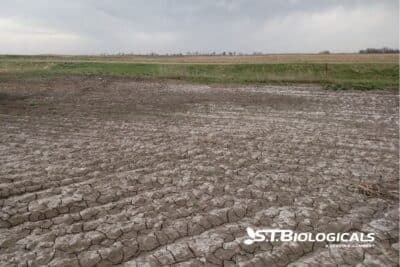
Moisture and temperature can influence manganese availability by affecting soil microbial activity, root growth, and plant metabolism. Manganese availability declines under dry soil conditions due to the decreased solubility and mobility of the nutrient in the soil.
Under cold and wet conditions, manganese deficiency can occur due to the reduced mineralization of organic matter, reduced root growth, and reduced metabolic activity in roots. But when your soil is waterlogged, the availability of manganese increases. This can lead to manganese toxicity, which is characterized by dark brown spots or necrotic lesions on older leaves, stunted growth, and reduced yield.

Interactions with Other Nutrients
Within a plant, manganese interacts synergistically or antagonistically with other nutrients. Here is a look at a few of the main interactions.
| Iron | Iron competes with manganese for the same transporters in roots; high levels of manganese can cause iron deficiency (and vice versa) |
| Zinc | Both nutrients used in enzyme activation and protein synthesis; excess manganese can reduce zinc uptake and translocation (and vice versa) |
| Copper | Both nutrients involved in antioxidant defense and lignin biosynthesis; positive or negative interactions depend on crop and environmental conditions |
| Calcium | Both required for cell wall structure and plant stability; too much manganese reduces calcium uptake and deposition and causes cell wall loosening |
Whether you’re an organic or conventional grower, the first step toward balanced soil nutrients and a profitable farm is taking a soil test and tissue test. If your soil is manganese-deficient, the ST Biologicals mentors recommend Bantam Manganese.
This regenerative ag product harnesses ADS technology to deliver manganese to plants. It can be applied to the soil or as a foliar spray as part of your nutrient management plan. Since manganese does not move within the plant, the ST Biologicals mentors recommend split or frequent applications in small amounts throughout the growing season. For application rates, apply as directed on the label or work directly with an ST Biologicals mentor.
If your soil contains adequate levels of manganese but your tissue test reveals a manganese deficiency in your crops, then your soil manganese is not in a form that plants can use. You can use Bantam Manganese as a soil or foliar spray to deliver the nutrient directly to your crops.
The ST Biologicals mentors may also recommend adding biologicals to your fields. Soil microbes cycle manganese and other essential nutrients through the soil, transforming them into plant-available forms and delivering them to plant roots.
From soil and tissue testing to product recommendations and application advice, the ST Biologicals mentors are here to help you optimize plant-available manganese in your soil and improve your plant health. Get in touch with our mentors today. We’re here to help you succeed. When soil speaks, we listen.
Manganese FAQs
Why is manganese important for crop growth?
Manganese supports several essential plant processes, including photosynthesis, nitrogen metabolism, antioxidant synthesis, and defense against pathogens. It also influences the availability and uptake of other nutrients, including iron, zinc, copper, and calcium.
What soil conditions can cause manganese deficiency?
High soil pH, certain organic matter conditions, dry soil, and cold, wet conditions can reduce manganese availability. Alkaline soils, particularly calcareous or over-limed soils, are more prone to manganese deficiencies. Soil conditions can also affect whether manganese is present in a form plants can absorb.
How can growers improve manganese availability in their fields?
Start with soil and tissue testing to determine whether manganese levels are adequate and whether crops are receiving the nutrient. Depending on the results, you can use Bantam Manganese as a soil application or foliar spray and incorporate biologicals that help soil microbes cycle manganese into plant-available forms.
How does Bantam Manganese help prevent or correct manganese deficiencies?
Bantam Manganese uses ADS technology to deliver manganese to plants and can be applied to the soil or as a foliar spray. Because manganese does not move within the plant, split or frequent applications in small amounts throughout the growing season are recommended. Follow label directions or consult an ST Biologicals mentor for application guidance.