
How Calcine and Biologicals Improve High Salt Soils and Phosphorus Tie-Up in Soil

High-salt soils and phosphorus tie-up can limit soil fertility and crop productivity, but Calcine and biologicals can make existing soil nutrients more available to plants.
Biologicals Application and Use Rates with 3 Real-World Examples
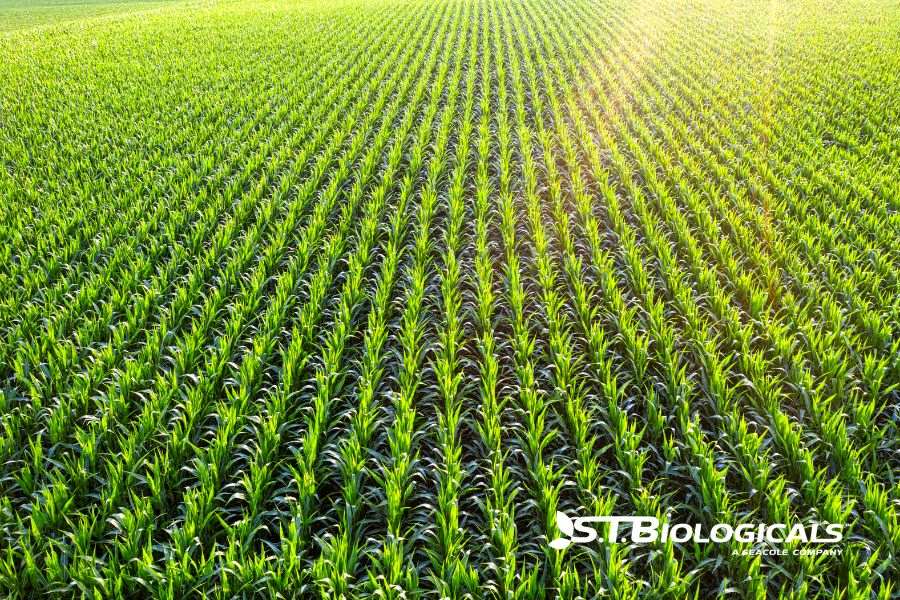
Field trials involving corn, soybeans, and potatoes demonstrate how broad-spectrum biologicals like BIOACTIVE LiquiLife+ can support stronger yields, improve nutrient efficiency, and reduce input costs.
The Broad-Spectrum Network of Microbial Relationships in Your Soil
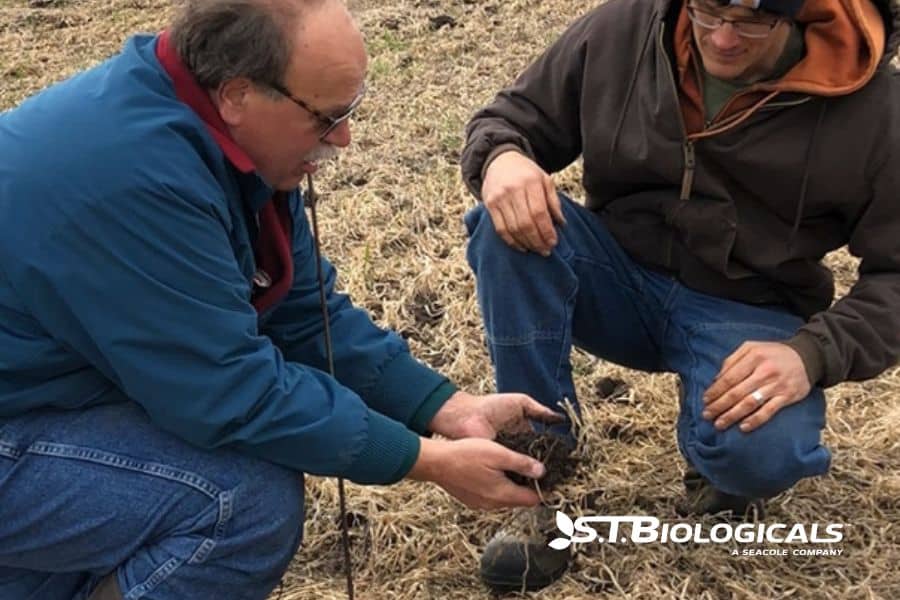
Take a deep dive into the broad-spectrum network of microbial relationships in your soil, including cross-feeding, quorum sensing, and functional redundancy.
Do Biological Products Actually Work?
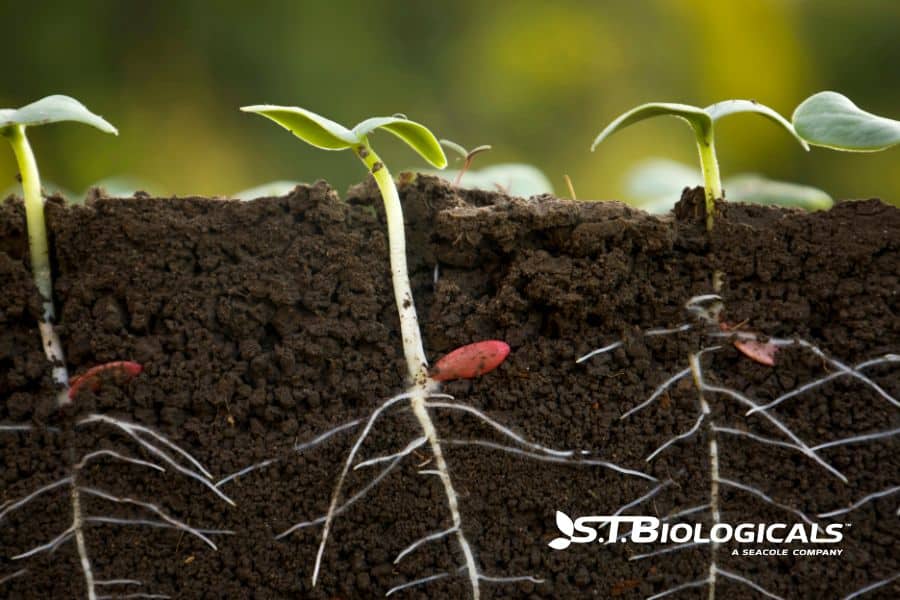
Agricultural biologicals can support soil health, nutrient cycling, and crop productivity when growers choose the right biological products for their soil conditions and field needs.
Can Soil Biology Heal Saline Soil?
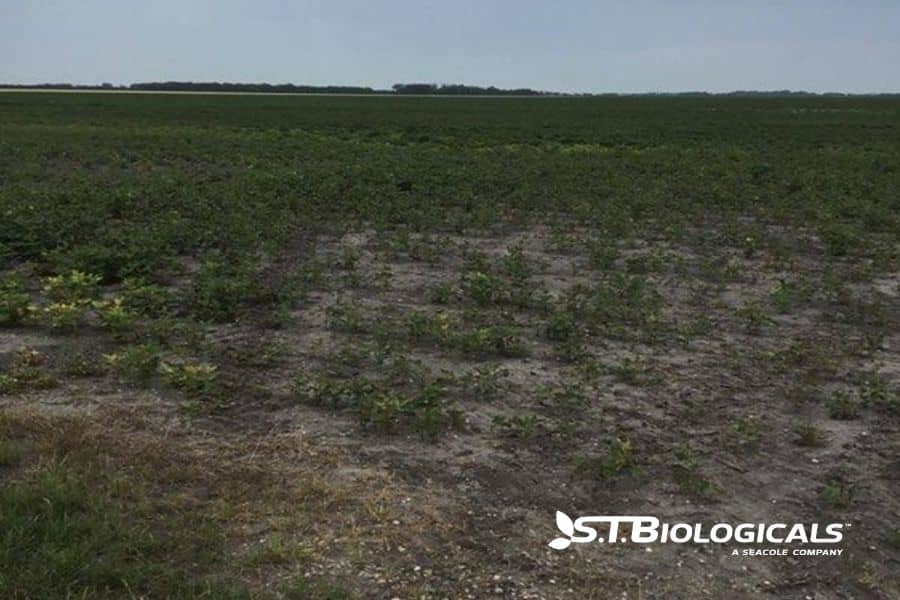
Saline soil can disrupt your soil’s biology and threaten the productivity of your crops. Supporting salt-tolerant beneficial microorganisms can give crops a stronger foundation for managing salt stress as part of a comprehensive salinity management program.
Microbial Impact on Potassium and Phosphorus Availability in Soil
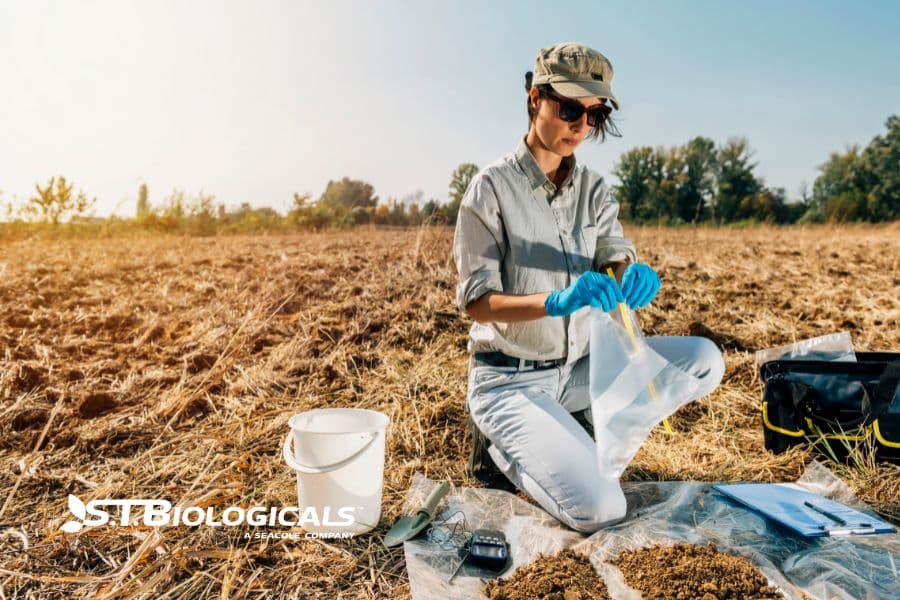
Supporting beneficial soil microbes with products like BIOACTIVE LiquiLife+ can increase potassium and phosphorus availability, improving nutrient efficiency and helping you get more from the fertility already in your soil.
Modes of Biological Action, Explained
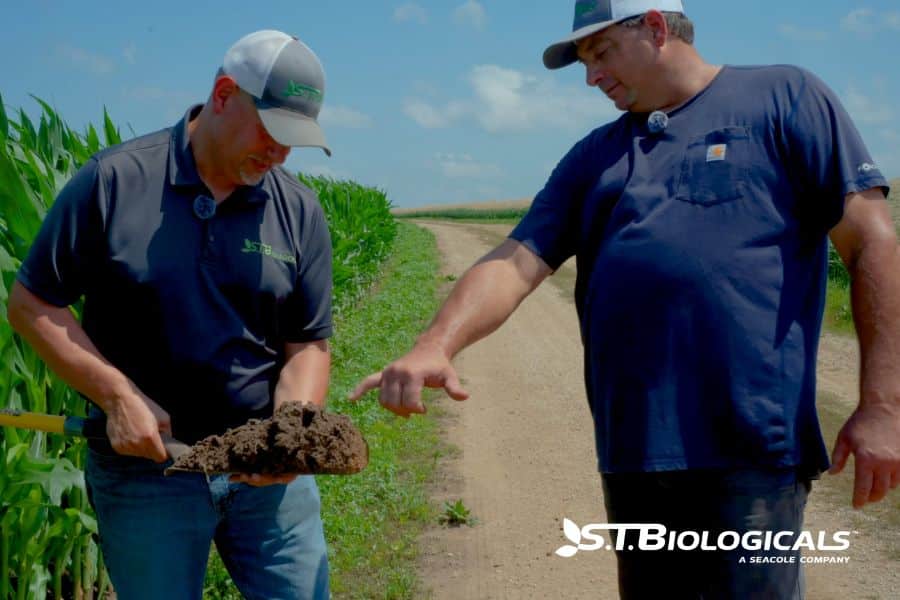
Beneficial microorganisms protect and strengthen crops through multiple modes of biological action. Learn how they improve soil health and help plants thrive.
Reintroducing Biology into Degraded Soils

Reintroducing biology into degraded soils through high-quality biological products and other regenerative strategies can restore soil vitality, reduce dependence on synthetics, and boost long-term farm profits.
Benefits of Biologicals in Crop Residue Management
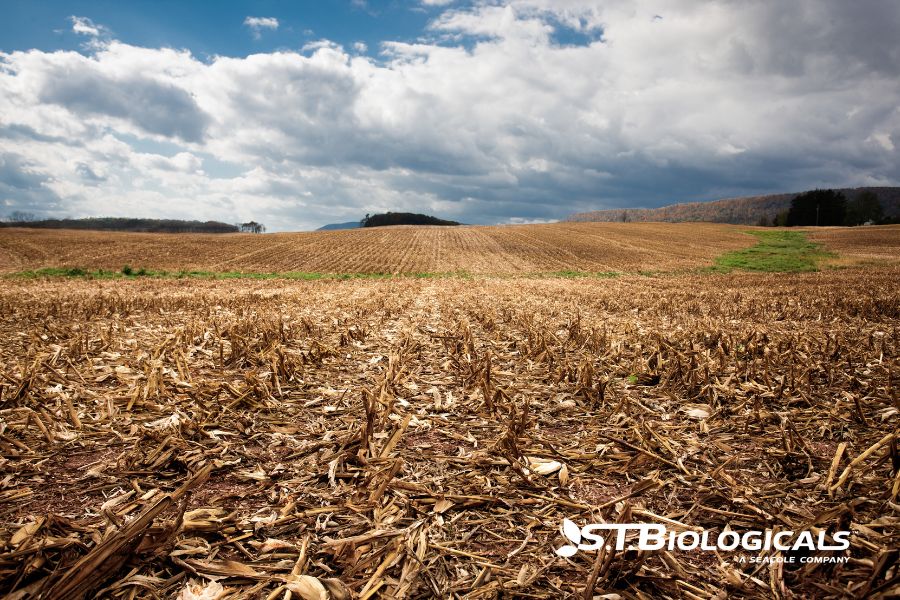
In the context of crop residue management, biological products include microbes, humic acids, and enzymes. All three work in unison to decrease stubble mass and increase soil quality.