Agricultural biologicals can support soil health, nutrient cycling, and crop productivity when growers choose the right inputs for their soil conditions and field needs. By evaluating physical, chemical, and biological soil readiness and following the four Rs, growers can develop a biologicals program designed to help their crops thrive.
Growers have been adding biologicals to their fields in some fashion for millennia. Compost, manure, and molasses, and other biostimulants add microbes and feed microbes to help them work harder for you.
Today, you can also invest in biological inputs that add up to hundreds of genera of beneficial bacteria and fungi to your soil. But do these biological products actually work?
At ST Biologicals, we know the answer is yes, as long as you’re following the four Rs of agriculture: adding the Right Inputs in the Right Amounts at the Right Time to the Right Place in your field. Let’s take a closer look at how we develop a biologicals program for you that actually works.
Is Your Soil Ready for Biological Inputs?
One question that sets you up for success when applying biologicals to your fields is whether or not your soil is ready for biological inputs. Not all soils have the properties that make a good home for soil microbes and macrofauna. Here are the three main factors that indicate your soil is ready to receive biological inputs.
Physical Readiness
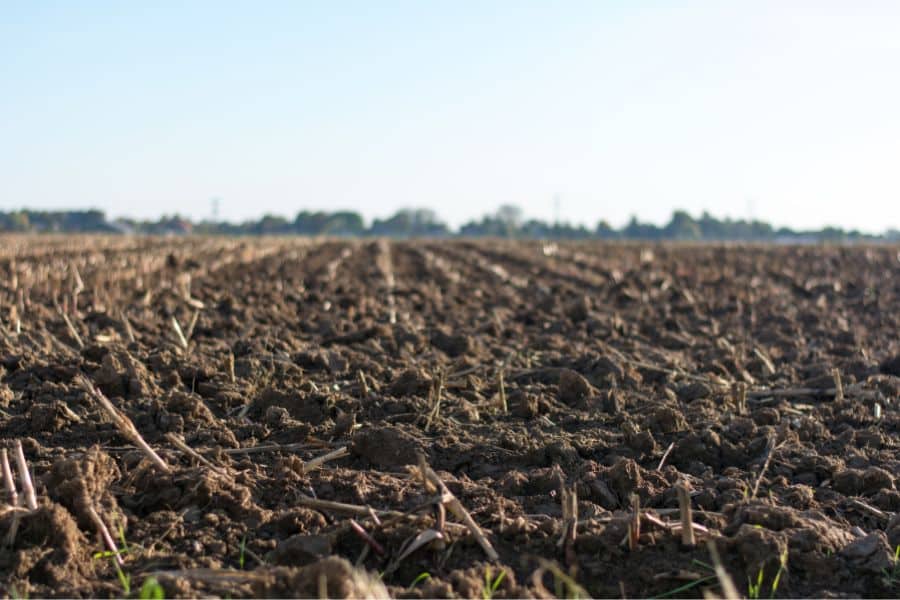
The first thing to look at is your soil’s capacity to hold onto minerals, water, air, and microbes. Your soil’s physical readiness depends on five primary factors.
- Structure: Is your soil granular, blocky, prismatic, columnar, or platy?
- Porosity: Does your soil contain enough space between particles for air and water to be stored and move through the soil?
- Compaction: Is compaction causing slow water drainage and poor aeration?
- Aggregation: How well do soil particles bind together into clusters?
- Tilth: Does your soil have a friable texture, pore space diversity, and stable soil aggregates?
Soil structure, porosity, compaction, aggregation, and tilth work together to ensure your soil is a suitable home for microbes to thrive.
Chemical Readiness
Soil biology needs resources ready in the soil to deliver nutrients to the plants. This is more than just adding nitrogen, phosphorus, and potassium to your fields. It also includes soil minerals, applied fertilizers, and other sources of nutrients.
Biological Readiness
When your soil provides a suitable home, food, and resources for microbes to work with, biology can perform many complex functions that contribute to the overall health of your crops and productivity of your fields. One major component of biological readiness is how well prepared biologicals are to fix, cycle, solubilize, protect, and exchange nutrients in the plant root zone.
Did You Select the Right Input for Your Operation?
Not all biologicals products provide the same benefits to your plants. Some products perform specific functions, such as adding amino acids, fulvic acid, or another particular input to soil.
Categories of Biologicals in Agriculture
Here’s a quick look at the types of biologicals on the market today.
| Category | Description |
| By-Product of Biology | Enzymes, amino acids, auxins, gibberellins, or plant growth regulator (PGR) |
| Food for Biology | Sugars, fulvics, carbons, molasses, and other biostimulants |
| Limited Species Biologicals | Single or few species of microbes performing a limited set of functions |
| Broad-Spectrum Biologicals | Hundreds of genera of bacteria and fungi performing many functions |
Benefits of Broad-Spectrum Biologicals
As you can see, broad-spectrum biologicals offer an abundance of functional microbes to your soil. BIOACTIVE LiquiLife+ is a broad-spectrum biological product that supercharges your soil with hundreds of genera of beneficial bacteria. Its microbes perform a variety of important functions in your soil, including mineral cycling, residue digestion, mineral solubilizing, pathogen suppression, mineral metabolizing, mineral exchange with plants, and nitrogen fixation.
BIOACTIVE LiquiLife+ is made from 100 percent plant-based material and provides a productive balance of bacteria and fungi. It’s a no-salt input and provides some salt mitigation in saline soils. Importantly, BIOACTIVE LiquiLife+ does not contain any pathogens associated with animal waste that is harmful to the food supply, such as E. coli, Salmonella, and Listeria.
If you’re wondering if biologicals actually work, the answer is yes, as long as you understand your soil and choose the right product for your fields’ needs. The mentors at ST Biologicals can help you understand your options and develop a program with inputs you need to increase crop quality and productivity.
Get in touch with our mentors today for advice on incorporating biologicals into your operation. We’re here to help you succeed. When soil speaks, we listen.
Biological Products FAQs
Do agricultural biologicals actually work?
Agricultural biologicals can support soil health and crop productivity when growers understand their soil conditions and select appropriate products. Applying the right inputs in the right amounts, at the right time, and in the right place is essential to developing an effective biologicals program.
How do I know if my soil is ready for biological inputs?
Assess your soil’s physical, chemical, and biological readiness. Physical readiness includes soil structure, porosity, compaction, aggregation, and tilth; chemical readiness involves available minerals and nutrients; and biological readiness concerns the soil’s ability to support microbial activity and nutrient cycling.
What is the difference between limited-species and broad-spectrum biologicals?
Limited-species biologicals contain one or a few microbial species that perform a limited set of functions. Broad-spectrum biologicals contain thousands of species of beneficial bacteria and fungi that can support multiple functions, including mineral cycling, residue digestion, mineral solubilization, pathogen suppression, and nitrogen fixation.
What are the benefits of BIOACTIVE LiquiLife+?
BIOACTIVE LiquiLife+ is a broad-spectrum biological product made from plant-based material that supplies beneficial bacteria and fungi to support soil biology. Its microbes help with nutrient cycling, residue breakdown, mineral availability, pathogen suppression, and nitrogen fixation, and the product can also provide some salt mitigation in saline soils.