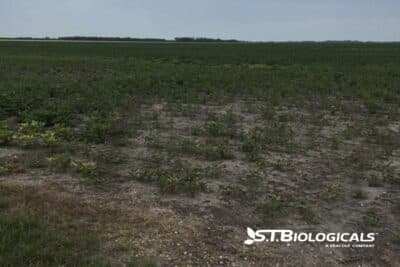
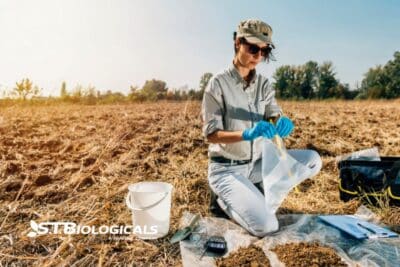
Beneficial microorganisms protect and strengthen crops through multiple modes of biological action, including bio-sanitation, competitive exclusion, the production of natural antibiotics, and induced systemic resistance (ISR). Learn how these natural processes improve soil health, support stronger root systems, reduce disease pressure, and help plants thrive throughout the growing season.
Beneficial microbes protect and strengthen crops. That’s why biological inputs are becoming an increasingly important part of modern agriculture. If you’re searching for a way to improve plant health, increase plant resilience, and maximize your yields, biological products offer a natural approach.
So, how do these products actually work?
Beneficial bacteria and fungi actively interact with plants, pathogens, and the soil environment through four modes of biological action. Together, these processes build healthier soils, reduce disease pressure, and support vigorous crop growth. Let’s take a look at each mode of biological action and the role it plays in the health of your soil.
What Is a Mode of Biological Action?
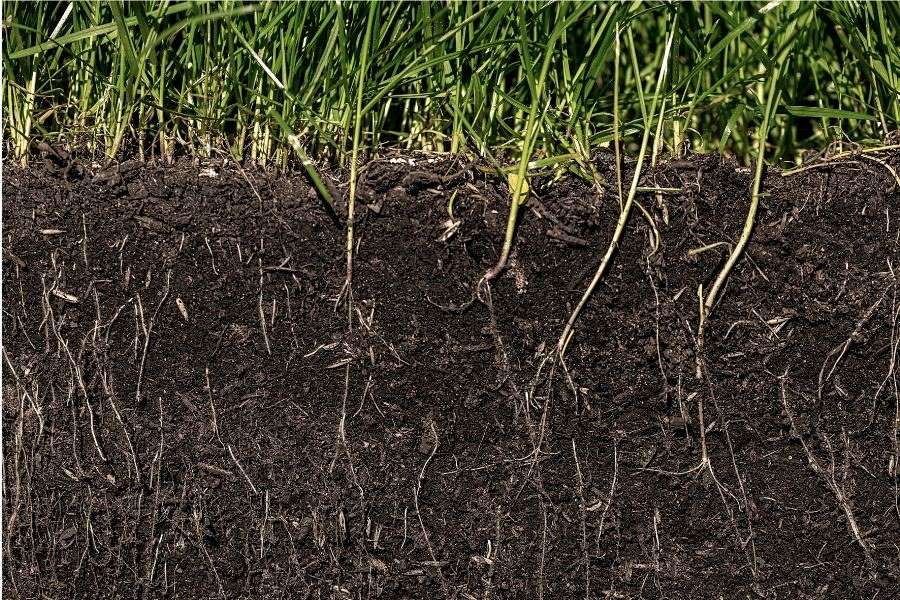
But first, let us explain what a mode of biological action is. This term describes the way beneficial microorganisms produce positive effects within the soil and around plant roots. Many beneficial microbes perform multiple functions simultaneously, creating a healthier soil ecosystem while improving overall plant performance. Once you are able to observe the modes of biological action at work in your fields, you will understand why healthy microbial populations are essential for the long-term health of your soil.
Mode of Biological Action 1: Bio-Sanitation
Bio-sanitation is the ability of beneficial microorganisms to improve the biological balance within the root zone. Microbes do this by breaking down organic residues and suppressing the buildup of harmful organisms.
In your soil, this looks like:
- Decomposing crop residue and organic matter
- Recycling nutrients into plant-available forms
- Reducing accumulation of harmful biological waste
- Supporting balanced microbial populations
- Improving overall soil biological activity
Bio-sanitation encourages a diverse, active microbial population that keeps pathogens in check and allows beneficial organisms to thrive. The result of this mode of biological action is a healthier rhizosphere around plant roots.
Mode of Biological Action 2: Competitive Exclusion
Mother Nature is not a minimalist. When there’s empty space, she wants to fill it. Leave soil bare, and weeds will come in to cover it up, to the detriment of anything useful or beautiful you’re planning to grow.
The same principle is at play in your soil. Billions of microorganisms compete for empty space as well as food and moisture. If beneficial microbes establish themselves first, they leave fewer resources available for pathogens.
Beneficial microbes are excellent colonizers. First, they consume the nutrients available in your soil. Then, they move rapidly to cover plant root surfaces and form protective microbial communities around the roots that fend off harmful microbes.
When beneficial microbes become dominant in your soil, pathogens have fewer opportunities to gain a foothold. This natural competition maintains a healthier soil ecosystem and supports strong root development.
Mode of Biological Action 3: Production of Natural Antibiotics
One thing that helps some beneficial microbes outcompete pathogens is their ability to produce natural antibiotics. These compounds inhibit the growth of harmful bacteria and fungi, protecting root systems and maintaining a microbial balance in your soil.
Unlike chemical treatments, these naturally occurring compounds are part of the living biological system in your soil. They will continue to fight pathogens for you for free as long as favorable conditions exist.
Mode of Biological Action 4: Induced Systemic Resistance (ISR)
Finally, beneficial microbes activate a plant’s early warning system through a mode of biological action called Induced Systemic Resistance (ISR). Microbes colonized on plant roots trigger biochemical signals that tell the plan to prepare its natural defense systems before stress or disease occur.
Once activated, a plant’s ISR helps it respond more quickly and efficiently to disease pressure, environmental stress, insect feeding, temperature extremes, and drought conditions without being in a constant, defensive state.
Multiple Modes of Biological Action Build Long-Term Soil Health
When multiple modes of biological work together, their effectiveness compounds to create multiple layers of support for your crops. These conditions extend beyond a single growing season to continuously improve soil biology, soil structure, organic matter decomposition, water infiltration, and nutrient cycling. It’s a system that supports healthier crops year after year with little to no investment on your end.
At ST Biologicals, we know the healthiest crops begin with healthy soil biology. Biological products work with Mother Nature to jumpstart the four modes of biological action that lead to long-term soil health. Get in touch with us to learn how to implement them on your fields. We’re here to help you succeed. When soil speaks, we listen.
Modes of Biological Action FAQs
The four primary modes of biological action are bio-sanitation, competitive exclusion, production of natural antibiotics, and induced systemic resistance (ISR). Together, these biological processes help improve soil health, suppress harmful microorganisms, and support healthier, more resilient crops.
Competitive exclusion occurs when beneficial microorganisms colonize plant roots and occupy space and resources before harmful pathogens can establish themselves. This natural competition helps protect crops and promotes a healthier soil microbiome.
Induced systemic resistance (ISR) activates a plant’s natural defense mechanisms, preparing it to respond more effectively to diseases, insect feeding, and environmental stresses without directly attacking the threat.
Biological crop inputs enhance soil biology by promoting beneficial microbial populations that improve nutrient cycling, decompose organic matter, support root development, and create a healthier growing environment for long-term crop productivity.