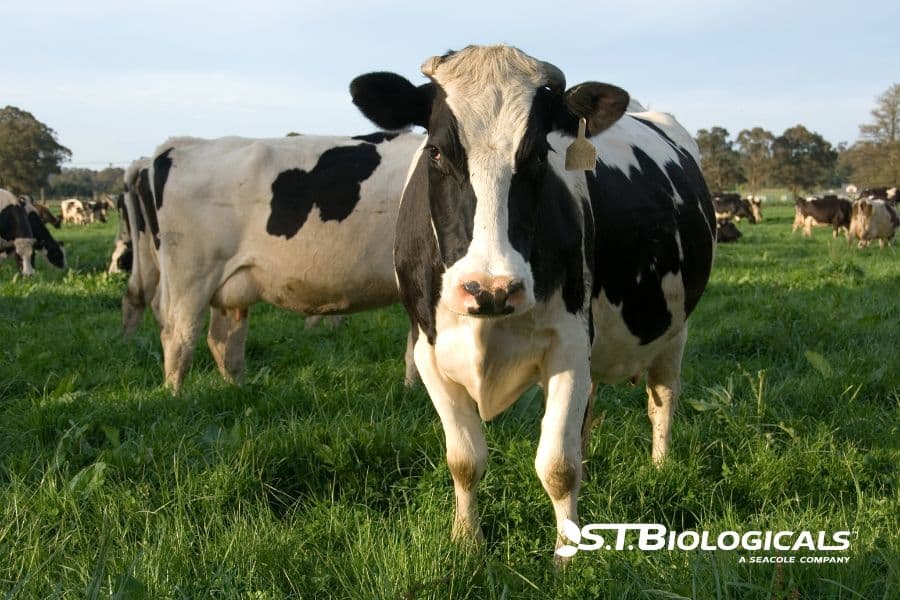
How to Read Forage Samples to Improve Forage Crop Quality
Understanding forage samples helps you evaluate nutrient levels, digestibility, and overall forage quality, all of which directly impact milk production.

Understanding forage samples helps you evaluate nutrient levels, digestibility, and overall forage quality, all of which directly impact milk production.

Field trials across organic, biological, and conventional dairy alfalfa systems showed that regenerative inputs can significantly improve forage quality, including
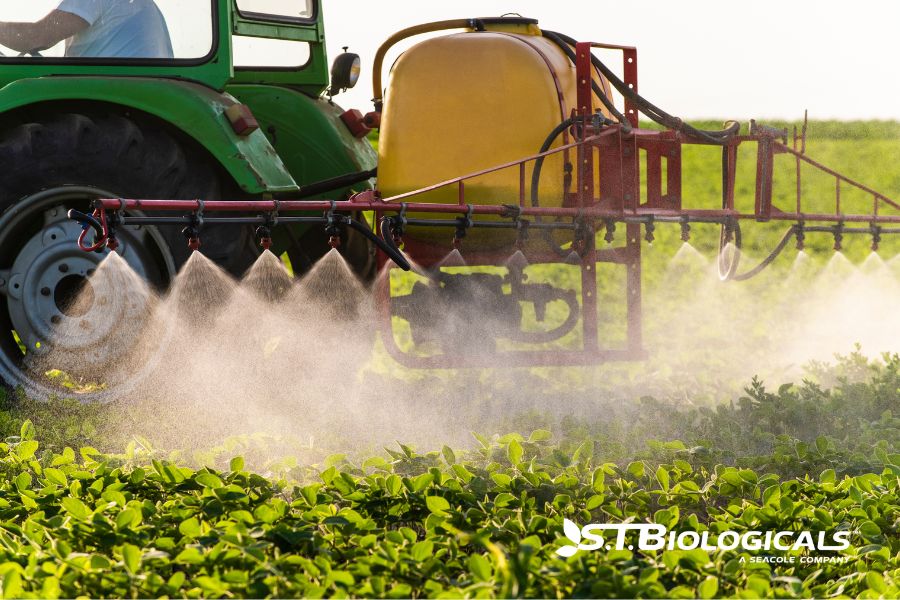
Foliar feeding for plants in saline soils offers a short-term solution by delivering nutrients directly to plant leaves, helping crops

Our results with our starter programs for corn and soybeans show that the right combination of inputs can boost germination,
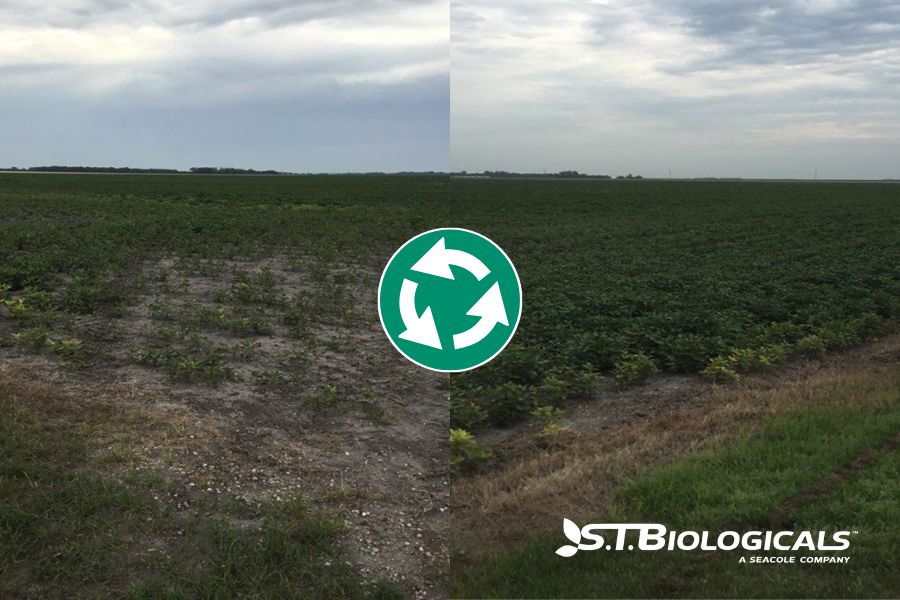
The ST Biologicals mentors successfully restored a long-abandoned field with sodic soil in northwest Minnesota using a targeted remediation program
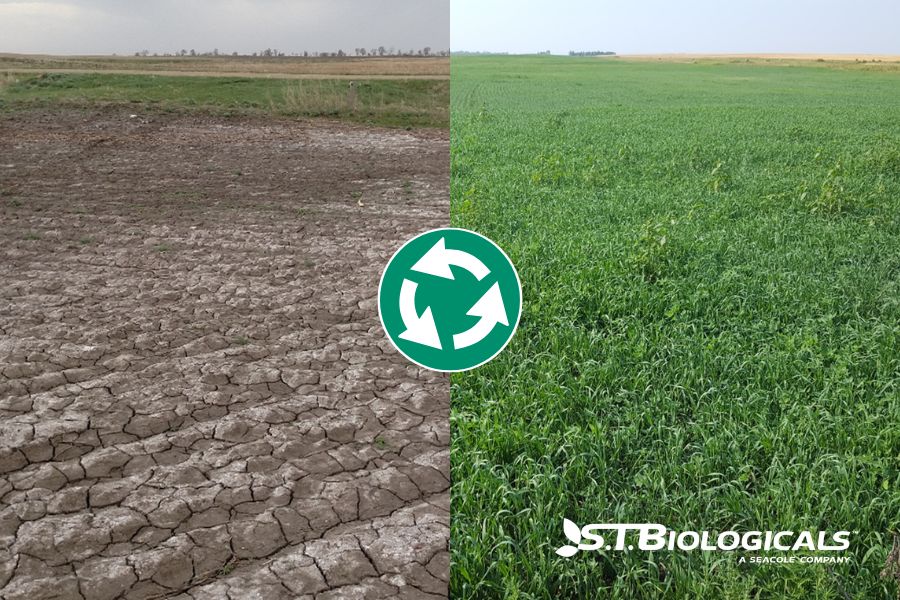
When used in a targeted remediation program, Calcine can restore soil structure, reduce salts, and rebuild biological function to bring

Carbon is the foundation of soil health, driving plant growth, feeding soil microorganisms, and strengthening crop resilience through the carbon
While farmers can’t control the weather, they can influence nutrient density in crops by strengthening soil biology and improving nutrient
To improve nutrient delivery, you need to ask the right questions about what needs to improve, where to invest, and