
Another Look at 3 Dairy Alfalfa Field Trials That Demonstrate Improved Forage Quality
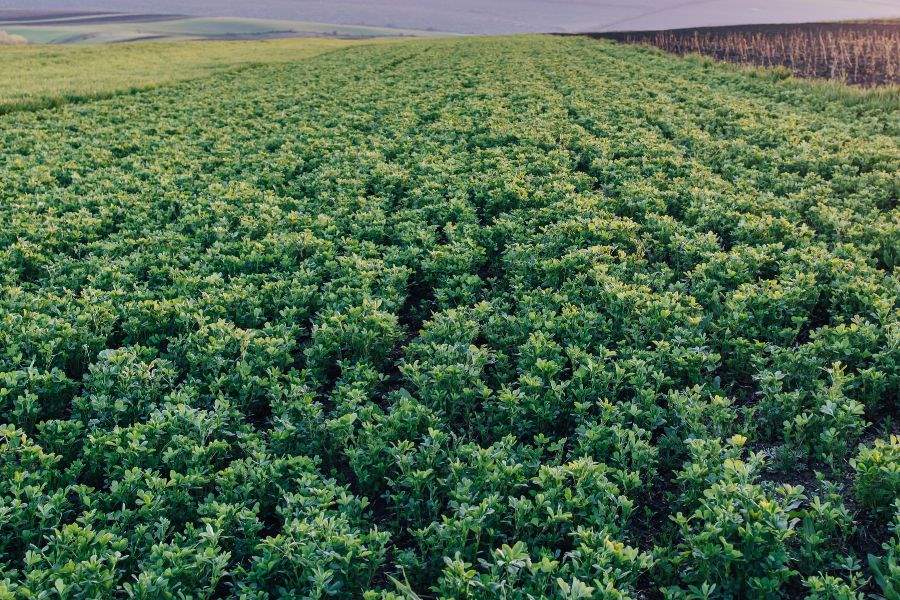
Field trials across organic, biological, and conventional dairy alfalfa systems showed that regenerative inputs can significantly improve forage quality, including higher protein, sugar content, digestibility, and relative forage quality (RFQ).
What to Do Now for a Successful Alfalfa Crop Next Season
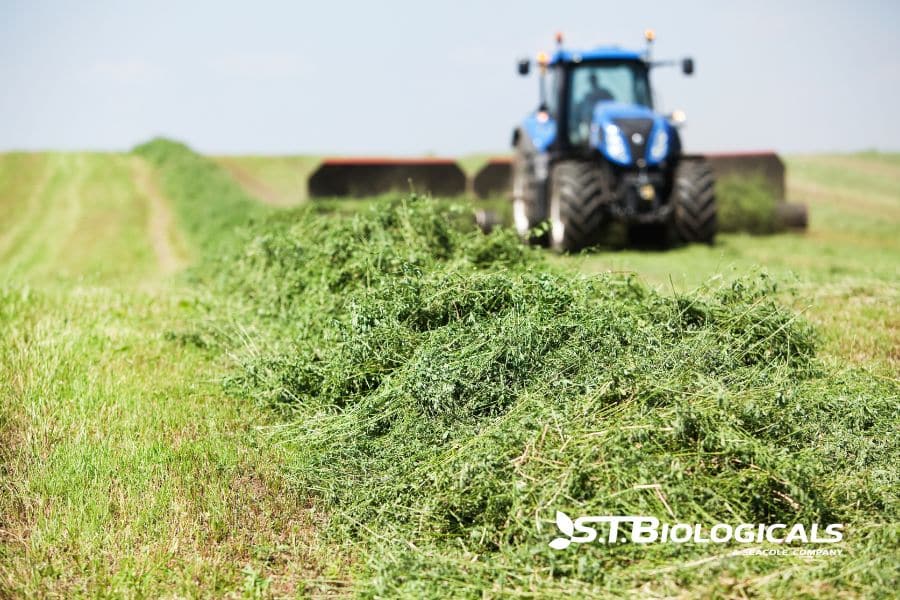
A successful alfalfa crop starts with fall field preparation, including managing crop residue, optimizing nutrient availability, evaluating weeds, and addressing soil health and pH.
Plan Now to Optimize Forage Quality Next Growing Season
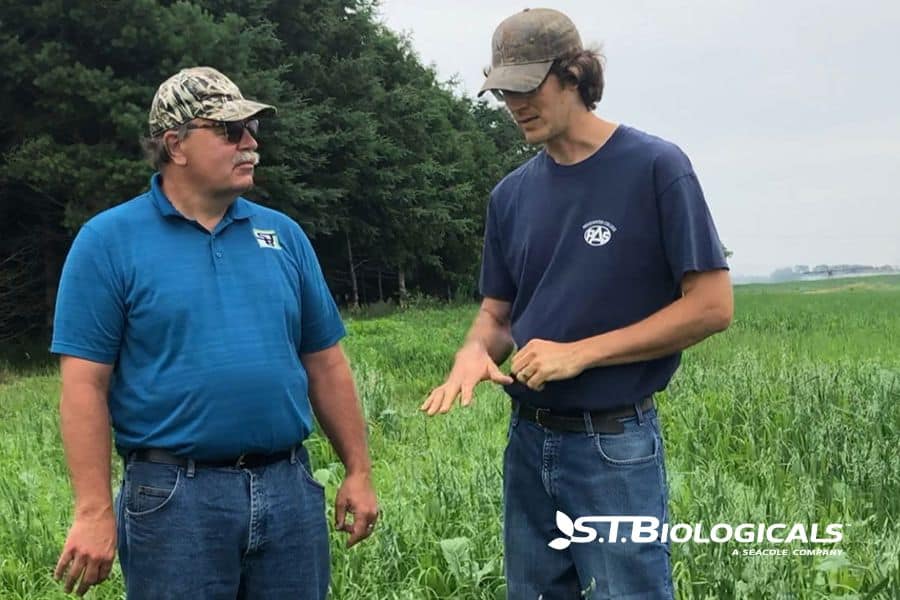
By using forage analysis to guide nutrient management, biological inputs, and harvest timing, growers can optimize forage quality and increase profits.
Growing Champion Dairy Forage Takes Superior Inputs
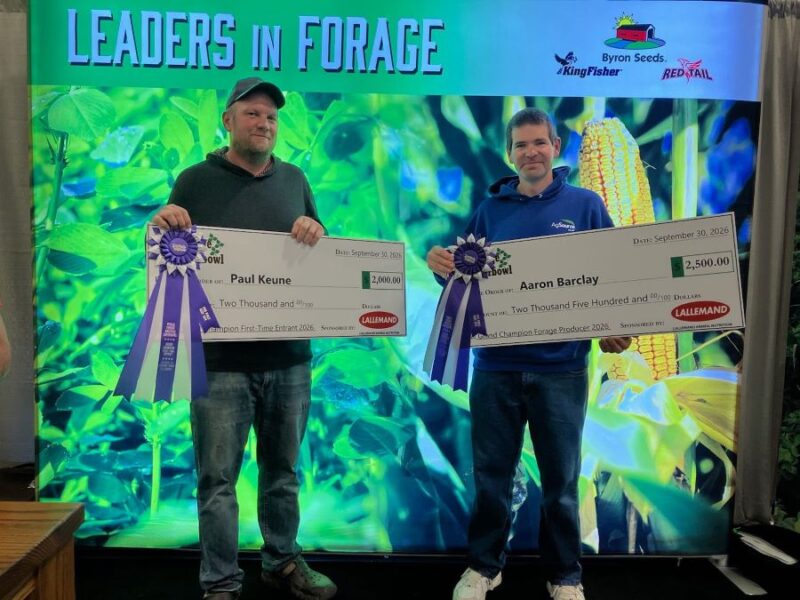
Growing exceptional forage requires the right products, applied at the right time, in the right amount, and in the right place. The ST Biologicals BioPeak Foliar Blend, combined with careful crop management and mentorship, helped a Wisconsin grower earn Grand Champion First-Time Entrant at the 2026 World Forage Analysis Superbowl with a clover grass forage crop.
Advantages of Diverse Pastures on Your Dairy Farm

Learn the benefits of diverse pastures, select specific species for your different soil types, and understand their impact on dairy quality and quantity.
Grass-Fed Pellets for Dairy Cows and Dairy Calves

ST Biologicals’ grass-fed pellets help fill mineral and nutrition gaps by enhancing digestibility and nutrient absorption, supporting healthier animals and improved production.
How to Read Forage Samples to Improve Forage Crop Quality

Understanding forage samples helps you evaluate nutrient levels, digestibility, and overall forage quality, all of which directly impact milk production.
3 Dairy Alfalfa Field Trials That Demonstrate Improved Forage Quality

Field trials across organic, biological, and conventional dairy alfalfa systems showed that regenerative inputs can significantly improve forage quality, including higher protein, sugar content, digestibility, and relative forage quality (RFQ).